Young people everywhere are stepping up to tackle massive global issues, from shifting job markets to building skills that actually matter in a tech-driven world. If you’re between 18 and 35 and passionate about making a real difference, the World Bank Group Youth Summit 2026 offers a powerful platform to connect, create, and grow. This hybrid event brings together thousands of young leaders, innovators, and thinkers for two intense days of dialogue, hands-on work, and networking, all centered on shaping the future of work.
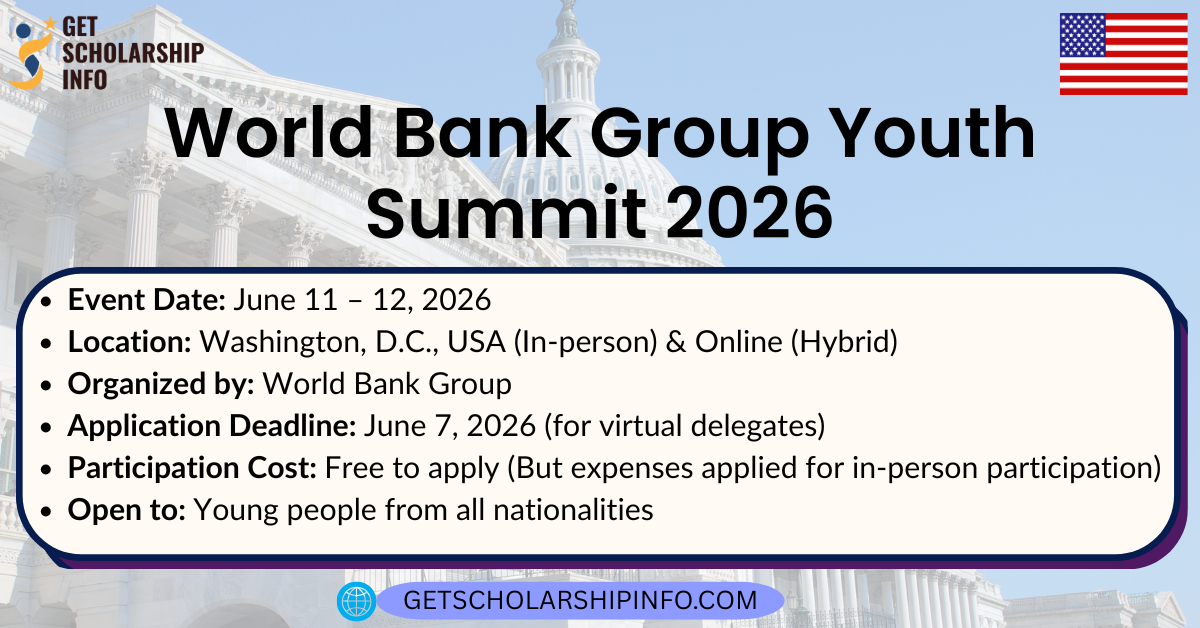
Held on June 11-12, 2026, at the World Bank headquarters in Washington DC with virtual options, the 13th edition focuses on “FutureWorks: Designing Jobs for the Digital Age.” It dives deep into jobs, education and skills, and entrepreneurship, while weaving in fresh angles like technology, financing, and fragile settings. Whether you’re a student, young professional, or entrepreneur, this summit gives you space to share ideas, learn from experts, and walk away with tools and connections that stick.
What sets it apart is the mix of big-picture talks, practical challenges, and genuine collaboration. You don’t just listen; you participate, prototype solutions, and join a global network of over 10,000 alumni from more than 170 countries. It’s free to engage with, though travel for in-person spots is on you. With components like the Innovation Lab, Pitch Competition (now closed for applications), and Hackathon, there’s something for different levels of involvement.
Breaking Down the Core Details:
Event Format: Hybrid ; main sessions in Washington DC with virtual access.
Target Age Group: 18-35 years old.
Main Themes: Jobs, education and skills, entrepreneurship, viewed through technology innovation, development financing, and fragile contexts.
Duration: Two days (June 11-12, 2026), plus related pre-events like the Hackathon.
Cost to Participate: No registration fee for delegates; in-person covers your own travel and lodging. Certificate: Official participation certificate for delegates.
Audience Reach: Thousands globally, with strong emphasis on diverse and inclusive voices.
These elements make the summit feel approachable yet impactful for emerging leaders who want to move beyond theory.
What You Actually Gain as a Participant:
Being part of this summit means walking away with more than memories or a certificate. You receive direct exposure to global development thinking and practical ways to apply it in your own context. Delegates get to engage with policymakers, experts, and peers in ways that sharpen your thinking and open doors.
One major gain is skill-building through real collaboration. In the Innovation Lab (for in-person delegates), you work in small, diverse teams on actual World Bank-inspired challenges. You’ll analyze problems, weigh options, and propose solutions under guidance from facilitators and experts. This hands-on experience strengthens research, teamwork, communication, and creative problem-solving, skills employers and communities value highly.
Networking stands out as another key benefit. You connect with fellow young changemakers, World Bank staff, private sector folks, and international development professionals. Many leave with new mentors, potential collaborators, and a sense of belonging to a larger movement. The alumni network alone offers ongoing support long after the event ends.
You also gain visibility and credibility. Whether sharing ideas in discussions, voting in the Pitch Competition finals, or presenting prototypes, your voice gets heard on a global stage. Career sessions provide insider info on internships and programs at the World Bank, IMF, UN, and similar organizations, practical steps toward roles in development work.
For entrepreneurs and innovators, the summit environment sparks ideas and feedback. Even if the Pitch Competition applications are closed, watching finalists and engaging in related sessions can refine your own projects. Hackathon participants (virtual event earlier in the year) could earn spots to present at the main summit, turning concepts into early prototypes with team support.
Overall, participants report boosted confidence, broader perspectives, and concrete next steps. You leave better equipped to address local challenges with global insights, whether that’s designing better skills programs, launching inclusive businesses, or advocating for policy changes that create decent jobs.
Who Should Consider Joining: Eligibility Essentials:
The summit welcomes a wide range of young people, but it favors those with genuine interest and some drive already shown. Ideal delegates are students, young professionals, and entrepreneurs excited about technology, development policy, youth employment, and inclusive growth.
No strict academic requirements exist, passion and potential matter more. You should be ready to engage actively, collaborate across cultures, and bring diverse viewpoints. English proficiency helps since it’s the working language. In-person attendance is limited, so selection for physical spots is competitive based on your application and potential contribution.
The event actively seeks voices from varied backgrounds, including those from marginalized groups, fragile settings, and different regions. This inclusivity is core to the mission.
Fields and Focus Areas Open to Participants:
While not a traditional academic scholarship with majors, the summit welcomes young leaders working across many sectors. Relevant areas include:
- Technology and digital innovation
- Education and skills development
- Entrepreneurship and startups
- Job creation and labor markets
- Development policy and economics
- Finance and innovative funding models
- Agriculture and rural development
- Healthcare and social services
- Environmental sustainability and climate action
- Governance and public policy
- Social inclusion and equity
- Fragile and conflict-affected contexts
If your interests touch economic opportunity, youth empowerment, or sustainable development, you’ll find alignment here.
Your Guide to Getting Involved and Applying:
Applying as a delegate is the main route for full participation. Look for the application portal on the official World Bank Youth Summit page when open (timing varies by year—check early). You’ll typically share your background, motivation, and ideas related to the themes.
For the Hackathon, applications had a specific deadline with a referral code. The Pitch Competition process involved submitting your project idea for review. Even if some tracks close, virtual livestreams and public resources let many benefit without formal selection.
Prepare by researching the themes, thinking about your own experiences or projects, and highlighting how you can contribute. Strong applications show clear passion and relevance to jobs, skills, or entrepreneurship in the digital age.
Why the Theme “FutureWorks” Hits Home Right Now:
The employment gap facing young people is huge. In emerging markets, 1.2 billion will reach working age soon, but only about 400 million jobs may appear. That leaves a massive shortfall, hitting marginalized groups hardest. The summit doesn’t ignore this reality, it centers youth as active problem-solvers using digital tools, new financing, and local approaches.
Sessions explore how technology can close opportunity gaps, how entrepreneurship builds resilience, and how education systems better match real labor needs. Cross-cutting lenses like fragile settings ensure ideas work even in tough environments. This relevance makes every conversation feel urgent and applicable back home.
Deep Dive into Summit Components:
Delegate Track: The heart for most attendees. Expect keynote talks, panels, Q&A, career sessions, and networking. In-person delegates join the Innovation Lab for team-based case work on real development issues.
Innovation Lab Details: Over the two days, teams of 7-8 tackle challenges in jobs, entrepreneurship, or education/skills. No prior consulting experience needed, facilitators guide you. You’ll present ideas and get expert feedback. Winning teams may receive prizes, but everyone gains practical skills and insights.
Hackathon: This virtual pre-event lets developers and innovators prototype tech solutions. Top teams present at the summit. It emphasizes collaboration and early-stage ideas aligned with the main theme.
Pitch Competition: A highlight where selected youth entrepreneurs present in a competitive format. Though applications closed for 2026, attending lets you learn from strong examples and vote for favorites.
These pieces work together to create an engaging flow from inspiration to action.
Building Skills That Last Beyond Two Days:
One of the best parts is how the summit strengthens leadership and problem-solving. Working with random teammates from different countries pushes you outside your bubble. You practice listening, negotiating ideas, and turning concepts into feasible plans, exactly what global development demands.
Many delegates mention gaining clarity on career paths. Hearing directly from World Bank insiders and partners demystifies international organizations and highlights entry points. The official certificate adds a nice boost to resumes or LinkedIn profiles too.
The Power of the Alumni Network:
Joining means entering a community of over 10,000 past participants. This network spans continents and sectors, offering chances for ongoing collaboration, mentorship, and support. Alumni often share opportunities, co-create projects, and stay connected through various channels. It’s one of those resources that keeps giving long after the event.
Tips for Making the Most of Your Experience:
If selected, prepare by reviewing background materials on the themes. For in-person, plan logistics early since space is limited. Engage fully; ask questions, join discussions, and follow up with contacts afterward. Even virtual participants can benefit by watching livestreams and participating in chats.
Think about how summit ideas apply locally. Many leave inspired to start initiatives, refine projects, or advocate in their communities. Document your learnings for personal growth or sharing.
Addressing Common Concerns:
Travel costs can add up for in-person, but virtual options lower barriers significantly. Time commitment is manageable since it’s just two days plus any prep. The hybrid format helps those who can’t travel. Language and background diversity are embraced, so don’t let that hold you back if you’re committed.
Looking Ahead: Youth Leadership in Development:
Events like this matter because they treat young people as partners, not just beneficiaries. By focusing on jobs in the digital age, the 2026 summit tackles a challenge that affects billions. It equips participants with knowledge, networks, and confidence to contribute meaningfully, whether through entrepreneurship, policy, tech, or community work.
If you’re motivated to shape inclusive growth and learn from the best, explore the World Bank Group Youth Summit. Check the official site for updates, past recordings, and future cycles. Opportunities like this can spark ideas and alliances that define your trajectory.
The world needs fresh perspectives on work, skills, and opportunity. This summit helps provide them while connecting you to others doing the same. Take the step, your ideas and energy belong in these conversations.
FAQs?:
Who can apply to the World Bank Group Youth Summit?
Anyone aged 18-35 passionate about development, jobs, skills, or entrepreneurship. Students, professionals, and innovators from around the world are welcome, with selection for in-person spots.
Is there a fee to participate?
No registration fee. The summit is free, though in-person attendees cover their travel and accommodation.
What is the Innovation Lab?
A hands-on team challenge for in-person delegates working on real development cases tied to jobs, entrepreneurship, or education. No experience required, it’s a learning opportunity with expert support.
How does the Hackathon fit in?
It’s a virtual pre-summit event for building tech prototypes. Top teams may present at the main event in DC.
Do participants get a certificate?
Yes, all delegates receive an official certificate of participation, great for resumes and profiles.
Can I attend only virtually?
Absolutely. The hybrid format includes livestreams and virtual engagement options alongside the in-person program.
